
Meeting the Edge
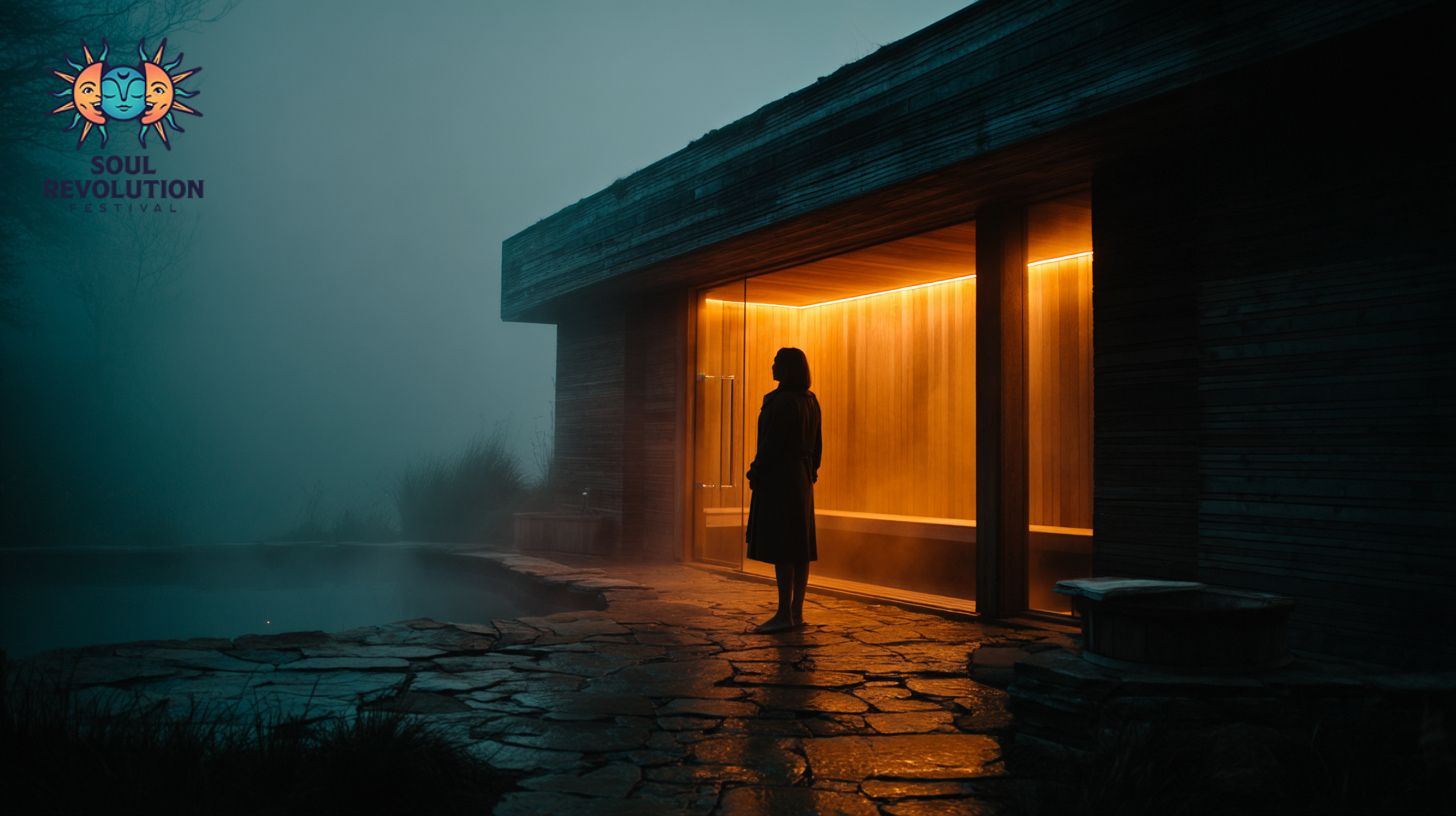
You step into the heat and feel it immediately, the way warmth wraps around your skin, how your breath deepens, how thoughts begin to soften at the edges. Or perhaps you step into cold water, and everything sharpens at once: a gasp, a rush, the mind suddenly very present.
These moments — heat or cold — are thresholds.
They bring us face to face with sensation, instinct, and a quiet question: Can I stay with myself here?
In a culture that often seeks comfort or distraction, sauna and cold plunge invite something different. They ask us to listen. To breathe. To meet intensity not as punishment, but as relationship.
What if these practices are not about endurance or performance at all?
What if they are conversations with the elements — gentle, honest dialogues between body, breath, and awareness?
At their best, sauna and cold immersion are not trends or tests of willpower. They are simple, time-honoured ways of returning to presence — and remembering that the body already knows how to regulate, release, and restore.
What Heat and Cold Do to Your Body (In Human Language)
At a physiological level, sauna and cold plunge work through contrast — activating the body, then inviting it back into balance.
When you sit in a sauna, your body responds much as it does during moderate physical exertion. Heart rate increases, blood vessels widen, and circulation improves as blood flows more freely. Sweating supports cooling and signals the nervous system to let go. Afterwards, many people experience a sense of calm and openness — the body shifting from activation into rest.
Research suggests that regular sauna use, particularly in traditional Finnish-style saunas, is associated with improved cardiovascular health and blood vessel function. Observational studies also link sauna bathing with reduced stress and improved overall wellbeing. These findings don’t suggest miracle cures — rather, they position sauna as a supportive practice within a healthy lifestyle.
Cold exposure works differently. When you enter cold water, the body briefly activates its stress response: blood vessels constrict, breathing quickens, and alertness rises. With short, controlled exposure — especially when guided by calm breathing — the nervous system learns something essential: this intensity can pass.
Over time, many people find their ability to return to calm improves, both in and out of the water.
Both heat and cold have been associated in studies with changes in mood-related chemicals such as endorphins and noradrenaline, which may support mental clarity and emotional resilience. There is also emerging evidence suggesting possible benefits for immune and metabolic function, though these effects vary widely between individuals and should never be overstated.
A gentle safety note:
Sauna and cold immersion are not suitable for everyone. If you are pregnant, have cardiovascular conditions, or other medical concerns, consult a healthcare professional first. Listening to your body, avoiding extremes, staying hydrated, and never forcing yourself are acts of self-respect — not weakness.
From Trend to Ceremony
Long before wellness trends and social media challenges, humans across cultures worked with heat and cold as part of daily life and spiritual practice.
Saunas, sweat lodges, banyas, hot springs, cold rivers, and winter baths have existed for centuries — sometimes as places of cleansing, sometimes of prayer, sometimes simply of community. These practices were never only about physical effects. They were about transition: preparing the body, crossing a threshold, and returning changed.
We do not claim these traditions as our own. We honour them as reminders that the human body has always learned through the elements.
When approached consciously, sauna and cold plunge can become modern rituals — simple, personal ceremonies shaped by intention rather than rules.
A ritual does not need to be complex. It might look like this:
-
Pausing before you enter, noticing your breath or setting a simple intention
-
Stepping into heat or cold with awareness, not force
-
Staying only as long as feels respectful to your body
-
Resting afterwards, allowing sensations and emotions to integrate
-
Offering a quiet moment of gratitude — to your body, the water, the fire
This mirrors something deeply human: preparation, immersion, and return. Transformation comes not from pushing harder, but from paying attention.
Training the Art of Staying With Yourself
From a nervous-system perspective, sauna and cold plunge offer a unique kind of practice.
Our autonomic nervous system has two primary modes. The sympathetic system supports activation, alertness, movement, and readiness. The parasympathetic system supports rest, digestion, repair, and calm. Modern life often keeps us in low-grade activation, even when no immediate threat is present.
Short, intentional exposures to heat or cold gently stimulate the sympathetic response — and then, crucially, give us the chance to practise returning to safety.
With breath, awareness, and choice, the body learns something subtle but powerful:
-
I can feel intensity and remain present.
-
I can move from stress back into calm.
Over time, this can translate into everyday life. Difficult conversations feel more manageable. Strong emotions pass more fluidly. Sensation becomes something to meet, not suppress.
This is nervous-system alchemy — not through control, but through trust.
Why We Do This Together
While sauna and cold plunge can be powerful solo practices, something shifts when they are shared.
In a group setting, these experiences soften isolation. Entering heat or cold alongside others — each person moving at their own pace — creates a quiet bond of vulnerability and mutual respect. There is no competition. No hierarchy. Just humans meeting sensation together.
At Soul Revolution Festival, heat and cold experiences are offered in this spirit. Guided, consent-based, and rooted in nervous-system awareness, they are invitations rather than challenges.
You might step from sauna into open air, or emerge from cold water into laughter, music, or stillness. Fire and water become part of a wider ecosystem of connection — woven into nature, sound, and shared presence.
Here, the elements are not spectacles. They are allies in remembering how to feel, how to listen, and how to belong.
Gentle Next Steps: Beginning Where You Are
You do not need extremes to begin.
Start where your body feels safe and curious:
-
Short, comfortable sauna sessions with water and rest
-
Pausing often, stepping out whenever needed
-
Ending a warm shower with 10–30 seconds of cooler water, noticing your breath
-
Allowing time afterwards for warmth, stillness, and integration
There is no requirement to progress. No badge for staying longer. The practice is not about proving anything — it is about listening.
Some people may choose not to engage with cold exposure at all, and that choice is equally valid. Wisdom lives in consent.
If you feel called to explore these practices more deeply, doing so in a guided, community setting can offer support, safety, and shared understanding.
Experience firsthand how meeting heat and cold with intention can reshape your relationship with your body — and if it feels aligned, secure your place at Soul Revolution Festival and step into the circle with us.