


The Longing to Belong
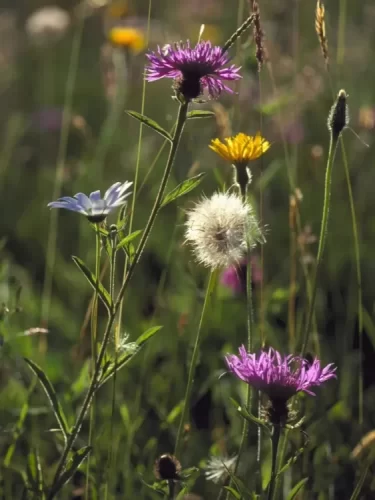
Across many spiritual and wellness spaces today, there is a shared hunger – for ceremony, for healing, for a sense of meaning that feels embodied and true. Plant medicine has become part of that search, often directing our gaze toward faraway lands, unfamiliar languages, and traditions carried across oceans.
And yet, a quieter question is beginning to surface beneath the noise:
What wisdom lives in the land beneath our feet?
What if the urge to journey elsewhere is, at least in part, a longing to remember something closer to home – a relationship with place, season, and the green beings who have grown alongside human lives here for millennia?
Britain is not an empty landscape waiting to be re-enchanted. It is layered with memory: hedgerows shaped by generations of hands, trees standing as witnesses to grief and renewal, plants that once moved easily between kitchen, medicine chest, and ritual space.
To turn toward British native plant medicine is not to reject other traditions, nor to romanticise the past. It is an invitation to listen, to ask what it might mean to root spiritual practice in the soil we actually stand on.
What Was Almost Forgotten
Long before modern wellness movements, the British Isles held rich, diverse traditions of herbal knowledge, folk ritual, and seasonal relationship with plants. These were not separate from daily life. Plants were companions in birth and death, in illness and celebration, in agriculture and prayer.
Much of this knowledge was local, relational, and orally transmitted – shaped by place rather than written doctrine. Over time, however, it became fragmented. Industrialisation reshaped landscapes and livelihoods. Folk healers and wise women were persecuted or dismissed. Enclosure and later scientific reductionism both played roles in severing people from older land-based practices.
What remains today is partial: fragments in folklore, herbal texts, place names, and family memory. There is no single, unbroken lineage to return to – and perhaps that is not the point.
Remembering, in this context, is not about reconstruction or certainty. It is about relationship. About approaching plants not as relics of a lost world, but as living presences who are still here, still offering themselves as teachers – if we are willing to slow down and listen.
Willow: The Medicine of Water and Grief
Willow grows where land meets water: along riverbanks, marsh edges, and places of quiet flow. She bends easily in the wind, her branches sweeping the ground like long green hair. There is a reason willow has long been associated with grief, emotion, and the moon in British folklore.
On a physical level, willow is historically linked with pain relief and cooling properties – a reminder that modern medicine has deep botanical roots. Symbolically, she teaches a different lesson: that strength does not always look like rigidity.
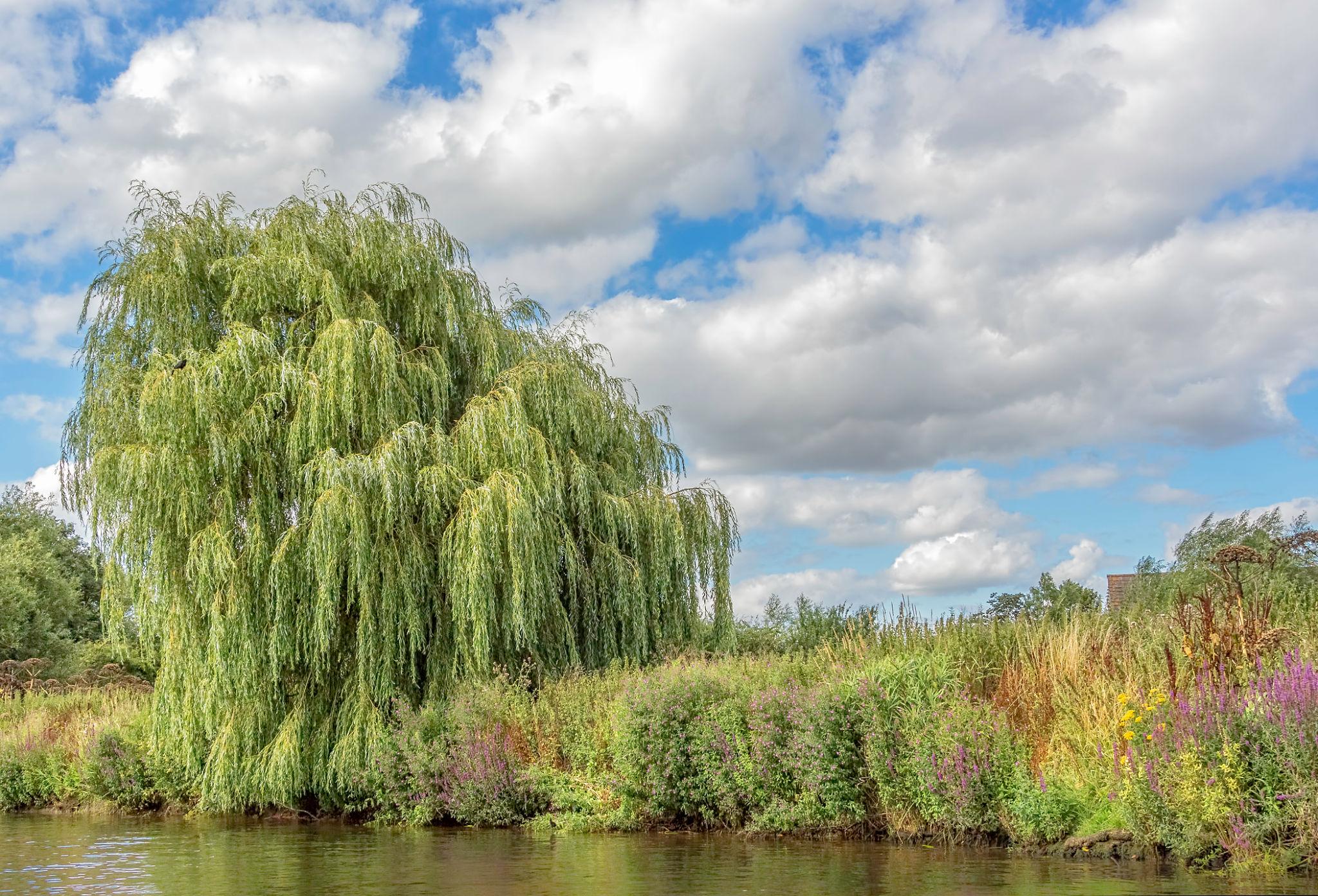
Willow invites us into softness. Into the kind of resilience that comes from yielding rather than resisting. In folk traditions, she has been associated with mourning, emotional release, and the waters of feeling that must be allowed to move.
Working with willow ceremonially today does not require consumption or instruction. It might be as simple as sitting beside her, noticing the sound of leaves in the wind, or reflecting on what needs to be released. It might involve seasonal rituals near water, or quiet walks where grief – personal or collective – is given space to breathe.
Willow does not rush healing. She teaches patience, flow, and the wisdom of staying close to what hurts without being overwhelmed by it.
Silver Birch: Renewal, Thresholds, and Gentle Strength
Silver birch is often one of the first trees to return after land has been cleared or burned. Slender, pale, and luminous, she is a pioneer – not through force, but through quiet persistence.
In British folklore and seasonal rites, birch has long been associated with purification, new beginnings, and thresholds. Her presence marks transitions: from winter to spring, from old growth to renewal, from one stage of life to another.
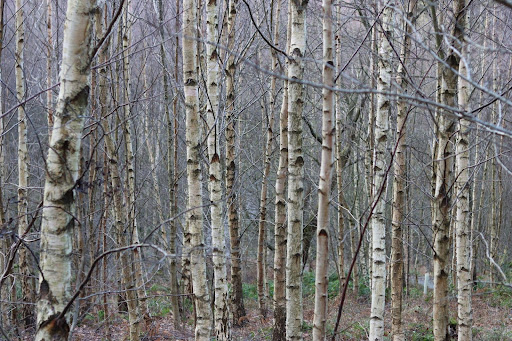
There is something instructive in birch’s gentleness. She does not dominate the forest, yet she prepares the ground for others to follow. Her medicine speaks to beginnings that are tender rather than triumphant – to the courage required to start again when the soil is still uncertain.
Ceremonially, birch invites reflection on what is ready to be renewed. She is a companion for rites of passage, for moments when we stand between what has been and what is emerging.
To sit with birch is to remember that resilience can be light-footed – and that strength can arrive softly, and still endure.
Mugwort: The Dreamer at the Edge
Mugwort grows at boundaries – along paths, field edges, and disturbed ground. She is a liminal plant, thriving where worlds meet. Across European folk traditions, mugwort has been associated with dreaming, protection, womb wisdom, and the subtle thresholds between conscious and unconscious.
Historically, she was linked with vision not as escape, but as insight. Mugwort does not promise otherworldly journeys; she invites deeper listening to inner landscapes.
Her relationship with dreamwork and intuition has made her a companion for rites of passage and transitions (especially those connected to the body, cycles, and the unseen threads of memory).
In contemporary practice, ethical relationship with mugwort often focuses on non-ingestive approaches: dream journaling alongside the plant, gentle smoke cleansing with care and restraint, or simply spending time noticing what surfaces in her presence.
Mugwort reminds us that imagination and intuition are forms of intelligence, and that tending them requires grounding, not dissociation.
Why Native Plants, Why Now?
The renewed interest in British native plant medicine is not happening in a vacuum. It arises alongside growing discomfort with extractive spirituality – with the idea that transformation must be imported, purchased, or accelerated through intensity.
Many people are beginning to sense that something essential has been missing: relationship with place.
Working with native plants offers a different rhythm. It asks for patience, seasonal awareness, and humility in the face of ecological histories we are only beginning to understand.
There are ethical dimensions here, too. Local plant relationships can reduce ecological strain, cultural appropriation, and financial barriers. They invite reciprocity rather than consumption: learning names, tending land, and offering care in return.
Perhaps most importantly, native plants teach us about enoughness. They remind us that depth does not require distance, and that healing does not always arrive through dramatic experiences, but through repeated, respectful attention.
Ceremony as Listening, Not Taking
In land-based spirituality, ceremony is not an act of extraction. It is a relationship.
This means moving slowly. Asking permission, inwardly and outwardly. Paying attention to season, to life cycles, to when engagement is appropriate and when it is not. Offering something back, whether that is care, protection of habitat, or simple gratitude.
At Soul Revolution Festival, this approach matters. Ceremony is held as a communal, ethical act – shaped by reverence, consent, and humility. It is not about claiming authority or reviving a romanticised past, but about cultivating a living relationship with land and lineage as they exist now.
Join us at Soul Revolution Festival as we explore grounded, land-based ways of remembering.
Returning to the Hedge, the Riverbank, the Path
Reconnection does not require dramatic journeys or rare substances. It begins with noticing what grows nearby.
A willow by the water.
A birch at the forest’s edge.
Mugwort lining a familiar path.
These plants have been waiting – not to be used, but to be met.
To remember them is to remember ourselves as part of a living ecology, shaped by place, season, and relationship. It is to accept that wisdom grows slowly, and that belonging is cultivated through attention.
Perhaps the medicine we seek has been here all along, rooted quietly in the land beneath our feet.